Home > Producer Profiles > Bordeaux Profiles > Chateau Suduiraut

Chateau Suduiraut

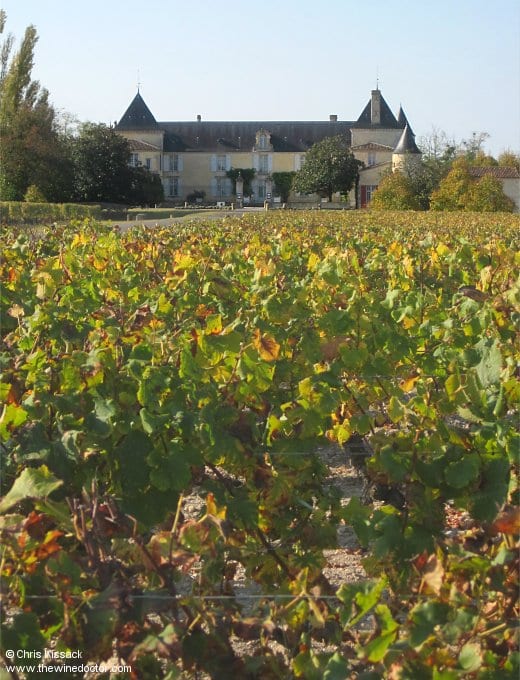
To look at the early history of Chateau Suduiraut we must go back to the time of Louis XIV, child regent and later more popularly known as the Sun King. This was the 17th century, although the Suduiraut family had been here since 1580, when Leonard de Suduiraut, a Bordeaux parliamentarian, married Nicole d'Allard, who owned the land that is today the site of their eponymously named chateau. But it was in the century that followed that the Suduirauts fell foul of the local Governor, the Duc d'Epernon, who acted by flattening their property, forcing the family to redesign and rebuild. In the process the Comte Blaise de Suduiraut, Leonard's grandson, created one of the finest properties in all Bordeaux, surrounding his pristine and elegant chartreuse style two-storey chateau with an expanse of gardens. These are still a notable feature of Chateau Suduiraut, having been designed by André Le Nôtre, who was also responsible for the creation of the Sun King's gardens at the Palaces of Versailles and Tuileries in Paris, and numerous other historic estates.

Chateau SuduirautAfter the death of Blaise de Suduiraut the property passed to his daughter Marie-Anne, but upon her death it was inherited by her nephew, Joseph du Roy. As a consequence, the chateau was temporarily renamed for a period of time, this being the origin of the phrase Ancien Cru du Roy which can be found on the Suduiraut label. The estate then passed first to another parliamentarian, Jean du Roy, and then Louis-Guillaume du Roy in 1788. Upon his death it went to his widow Marie-Rose-Louise Le Tellier; she, however, had no obvious heir, and upon her demise the estate was bequeathed to her steward, one Nicolas Edme Guillot. Under the tenure of Guillot the neighbouring Castelnau property was purchased, in 1831, and thus the Suduiraut estate expanded considerably; there are still traces of this historical note today, in the name of the second wine, Castelnau de Suduiraut. The newly expanded estate was inherited by Guillot's sons upon his death, and so they held ownership of the property at the time of the 1855 classification of Sauternes and Barsac, when Suduiraut was deemed of Premier Cru quality. Thereafter the property changed hands numerous times, first going to Henri-Ferdinand Rabourdin in 1875, who four years later gifted it to his daughter Lucie, who was married to Emile Petit de Forest, an engineer. In the late 19th century Suduiraut enjoyed great successes, racking up seemingly innumerable accolades; a ministerial Gold Medal in 1867, the First Prize of the General Council of the Gironde in 1887 and the Gold Medal of the Meeting of Podensac in 1890. The international exhibitions of Paris that characterised the latter half of the 19th century also saw a slew of awards, and in 1897 Petit de Forest was also commended for his work in reconstituting the Suduiraut vineyards using vines grafted onto American rootstock, the new and highly innovative solution to the scourge of the French vineyard at that time, Phylloxera.

Christian Seely of Chateau SuduirautEmile Petit de Forest died in 1899, followed by his wife in 1929, and thus Chateau Suduiraut came to their daughter, Isabelle Petit de Forest. Sadly it is reputed that quality was not maintained under the tenure of Isabelle and her husband, Alfred de Girodon-Pralong, compounded by a swing in preferences away from sweeter styles to drier wines, and in 1940 the estate was sold to the industrialist Leopold-Francois Fonquernie. This provided just the revitalising injection that Suduiraut required; Fonquernie, aided by manager Pierre Pascaud, instituted a program of renovation and improvement in both the vineyards and the chai, and within a few decades Suduiraut was once again turning out wines that matched the reputation held by the estate during the preceding century. Upon his death the estate passed to his daughters, with Madelaine Frouin being the most active. Nevertheless, the property was once again to change hands, as the family sold it on to AXA Millésimes, the wine subsidiary of the AXA insurance group, in 1992. AXA have been instrumental in the revitalisation of other top Bordeaux properties including Chateau Lynch-Bages and Chateau Pichon-Baron. Throughout this time Pierre Pascaud stayed on at the chateau, although the managing director is now Christian Seely, today assisted by Pierre Montégut, who takes on the role of technical director. Alongside them work Michel Essartier and Caroline Gendry, who look after vineyards and chai respectively.

The Suduiraut vineyards cover 92 hectares of a possible 200, lying at the southern end of the commune of Preignac, a stone's throw from those of Yquem. The terroir is mainly sand and gravel with some clay, and the vines are 90% Semillon and 10% Sauvignon Blanc, with an average vine age of 25 years, planted at a density of 7000 vines per hectare. The nearby Garonne provides the mists that engender the Noble Rot. Harvesting at Suduiraut takes place earlier than many other chateaux, a practice that causes a few eyebrows to rise; the process can work well in vintages where botrytis hits the vineyard early, but not in many vintages when other properties with more nerve may reap the benefits of riper, more botrytised grapes and a greater wine as a result. The yields are typically less than 18 hl/ha.

Chateau SuduirautIn the cellar Caroline Gendry, aided by Alain Pascuad, Pierre's son, manages the vinification. After pressing the wine is largely fermented in stainless steel, but some aliquots see fermentation in oak. The wine is racked the following spring and will spend up to two years in oak. There are a number of cuvées produced, all white, Suduiraut having long since ceased production of any red wine of interest, although it was not that long ago that there were still red vines on the Suduiraut estate. The most recent addition to the Suduiraut portfolio is a dry white, something that seems to be an increasingly desirable fashion accessory in and around Sauternes. This is S de Suduiraut (akin to Y from Yquem, and R de Rieussec I suppose), a dry white which has been made at the estate for personal consumption for many years, but only recently made for commercial purposes. It is the product of three early tries through the vineyard picking off healthy, non-botrytised grapes, and it accounts for about 10% of all production. The first vintage commercially released was the 2004, my opinion is below. I have more experience of the sweet wines; the grand vin here is Chateau Suduiraut, and there is also a second wine named, as mentioned earlier, Castelnau de Suduiraut. The final wine worth mentioning is a super-selection made in some of the better vintages called Crème de Tête. This limited production cuvée has only been produced in two vintages, understandably in 1989, a year of very high quality, with a more questionable decision to first release the cuvée in the 1982 vintage, which was fabulous for red wines but not a Sauternes vintage of any great repute. The concept was along the same lines as other Sauternes special cuvées such as that from Coutet, or indeed the super-cuvées turned out by numerous Châteauneuf producers; cream off the best wine for the special bottling, leaving a potentially emasculated standard cuvée. It is a practice I deplore, and I applaud Seely and Montégut, and the rest of the Suduiraut team for resisting the temptation to repeat the practice, especially in the light of more recent very successful Sauternes vintages such as 1997 and 2001.

Recent tastings of Suduiraut seem to reveal a predilection for odd years, concentrating on those from 1997 through to 2005, although more recently I have also had the opportunity to sample both the 2002 and 2004, and both were fine. Overall the wines have all been at least very good indeed, some excellent. The 2001 is without a doubt a great wine, although I have been troubled by its structure on tasting, most notably a nose dominated by volatile acidity on last assessment. I am reasonably confident, however, that this characteristic will pass as the wine continues to mature in bottle. These wines are still babies, and need decades before reaching their peak. The 2003 is, based on my tasting at the UGC des Bordeaux 2003 vintage assessment, one of the wines of the vintage, but across many recent vintages it is clear that quality is really high, and Suduiraut is a name to trust. I have even put my money where my mouth is with one or two of these recent vintages, and the wines slumber in my cellar as I write. Bargain hunters, however, would do well to look out for the 1999 vintage, which I enjoy more and more with every tasting; this is an under-rated vintage for the region I think. (29/7/04, last updated 9/1/08)

Contact details:
Address: Chateau Suduiraut, 33210 Preignac
Telephone: +33 (0) 5 56 63 27 29
Fax +33 (0) 5 56 63 07 00
Internet: www.suduiraut.com

Chateau Suduiraut - Tasting Notes

Click to locate stockists.

2009

Chateau Suduiraut (Sauternes) 2009: Residual sugar 160 g/l, with a blend of 93% Semillon and 7% Sauvignon Blanc. High-toned with honeyed fruit and dense botrytis within, this is tightly wound. Fine balanced flesh on the palate, with good substance and acidity. Lovely fruit profile, with pear and tropical fruit, and a nobly bitter finish. Good botrytis here. Excellent potential. From my 2009 Bordeaux en primeur assessment. 18-19+/20 (March 2010)

2008

Chateau Suduiraut (Sauternes) 2008: Good aromatics here, of crisp, fresh fruit. There is some sweetness lying beneath. It has some substance, and moderate acidity. Cleanly styled. This could be a good wine. From my 2008 Bordeaux en primeur assessment. 15.5-16.5+/20 (April 2009)

2007

Chateau Suduiraut (Sauternes) 2007: A slightly sulphurous nose here, so much so that I can't find any fruit behind it at the moment. On the palate this has a brilliant texture, with lovely liquorous richness, and a sweet and broad presence. A finely styled wine, rather closed on this showing. I intended to return to try a different bottle, perhaps one that had been open longer, but it slipped my mind. There is clear potential here, although I have left my score as a range for now. From my tasting of 2007 Sauternes at two years of age. 17-18+/20 (October 2009)

Chateau Suduiraut (Sauternes) 2007: Harvested with a yield of 16 hl/ha, the final wine has 14% alcohol and 130 g/l of residual sugar. Attractive crystalline fruit, pure elderflower character, stylish and just a little honeyed. Elegant yet textured, gentle and balanced. A rounded, creamy flesh with vanilla and honey flavour, and an appealing sense of fatness through the midpalate. A lively finish, showing some botrytis and greater fruit complexity. Very good indeed. Lovely potential here. From my 2007 Bordeaux en primeur assessment. 17-18+/20 (April 2008)

2006

Chateau Suduiraut (Sauternes) 2006: In this vintage Suduiraut has a lovely nose, showing dried fruits, and a fresh sweetness. Very appealing, fresh, gentle and composed on the palate, with fine, sweet, vanilla-tinged fruit. A nice savoury citrus finish too. This is a good wine. From my tasting of 2006 Sauternes at two years of age. 15.5+/20 (October 2008)

Chateau Suduiraut (Sauternes) 2006: A vibrant nose. Slightly confected candied fruits. Very nice flavours on the palate, delicate flower petals, creamy oak. Candied fruits as on the nose, but not a lot of concentration or depth really. Not a lot of botrytis either. Moderate acidity. Decent, nothing more. From my 2006 Bordeaux assessment. 14.5-15.5/20 (April 2007)

2005

Chateau Suduiraut (Sauternes) 2005: This has a delightfully pure character, with fine and fresh pineapple aroma, and glorious notes of honey and vanilla. It is pure, gentle, fleshy and rich. The aromatics are pleasing, the texture is the same. The acidity is rather low, as I think I noticed when tasting en primeur in April 2006, but there is plenty here that appeals to me. Very good effort. From my tasting of 2005 Bordeaux at two years of age. 17.5-18+/20 (October 2007)

Chateau Suduiraut (Sauternes) 2005: Pale golden hue, with a green tinge. A divine nose, steeped in honey and acacia, honeysuckle and chalky botrytis. Superb style on the palate, firm botrytis character, but with a massive wall of sweetness. Despite an acidity that is difficult to see, it seems fresh and balanced. This just needs time to integrate and open out in a more coherent, less showy manner. Excellent. From my 2005 Bordeaux en primeur tasting. 18-19/20 (April 2006)

2004

Chateau Suduiraut (Sauternes) 2004: Compared to the other wines on show, this has a welcoming, open, fresh and vibrant nose, with aromas of honey, cashew nuts and barley sugar, the last point being something I noticed when I last tasted this six months ago. The palate is really very fat and creamily viscous, with bright honey, barley sugar, pineapple sweetness. Not heavy with botrytis, but fresh and hugely appealing. This has really very good potential. Not the success of the 2003 though! From my 2004 Bordeaux assessment. 17.5+/20 (October 2006)

Chateau Suduiraut (Sauternes) 2004: Showing a greater depth of colour than the 2002, with a more open and expressive nose. Plenty of honey character. Simply fabulous impact on the palate, which is full, very deep, textured and multilayered. An attractive but rather primary barley sugar sweetness. Complete, delicious style, showing a little more appealing acidity and freshness than the 2005. Excellent wine, set for the cellar. 17.5+/20 (April 2006)

S de Suduiraut (Bordeaux Blanc) 2004: An appealing nose, although not at the level of the Graves of the same vintage. Rather muted but stony, nettly fruit. Nicely structured, with clean lines. Not greatly expressive, but nicely composed, but with a good balance and texture. There are some lively, candied fruits showing through the midpalate. Nice balance and texture. Good. From a tasting of 2004 Bordeaux. 16+/20 (April 2007)

S de Suduiraut (Bordeaux Blanc) 2004: Pungent, nettly, creamy, yellow and green capsicum. It certainly has good aromatics. On the palate a restrained texture, nicely balanced, with a medium body. A grippy-bitter finish. It has some length too. This is good. 16+/20 (November 2006)

2003

Chateau Suduiraut (Sauternes) 2003: A simply gorgeous nose. Honey, beeswax, acacia and orange character, and on the palate it is full and has impressive depth. Really meaty, ripe and opulently textured. Lovely substance here, fresh acidity, and stunningly precise, persistent flavours. This is divine. Of every wine at the UGCB tasting, this is the only one I would come back to for pleasure rather than reassessment. Excellent. Eclipses the 2001 at present. From my 2003 Bordeaux assessment. 19/20 (October 2005)

Castelnau de Suduiraut (Sauternes) 2003: The second wine, of course. Slightly volatile on the nose, in that respect rather reminiscent of some tastes of the grand vin when young, although the 2001 (although this wine is nowhere near as pungent as that was) rather than the 2003. It has some intense, sweet tropical fruits, and also some botrytis notes, with apricot and marmalade character - this is impressive for a deuxième vin. Good substance on the palate, soft, with lots of impact and flavour, and a very fat, viscous texture. What it misses is acidity, which unfortunately spoils the package somewhat, but there is certainly some merit here. Tasted at a FromVineyardsDirect tasting. 15.5/20 (November 2009)

2002

Chateau Suduiraut (Sauternes) 2002: Honey on the nose here, as ever, with attractive orange and pineapple fruit and nice botrytis. A nice weight on entry, not luscious but quite correct, slightly fat, fairly moderate but sufficient balancing acidity. Moderate depth. A supple, gentle, elegant style. It perhaps lacks the vibrancy I would really like, but I think for the vintage it is a good showing. 16.5+/20 (November 2007)

Chateau Suduiraut (Sauternes) 2002: A pale golden hue, and a subtly honeyed nose, with not a lot of botrytis. Rather a soft style on the palate, which has a fleshy, creamy style infused with vanilla, flower petals and oranges. The acidity is fairly correct. It is attractive, elegant and although it has lots of grip on the finish it is not a heavyweight. This is approachable now, but will be better in a few years I think. From the 2007 CIVB tasting. 16-16.5+/20 (October 2007)

Chateau Suduiraut (Sauternes) 2002: A good nose here, it is quite open and forward, gently honeyed, with little floral, acacia notes. Rich, creamy, yet fresh and lightfooted on the palate, which is very nicely composed. Lovely flavours and an appealing, elegant style. Mid weight, not dilute, but a little faint through the middle. Very good though. 16.5/20 (November 2006)

Chateau Suduiraut (Sauternes) 2002: Clearly a little more advanced than the preceding two wines, showing more complexity on the nose, with notes of honeycomb and botrytis-derived character. Deeper, denser and more liquorous, mouthfilling and yet seems a little attenuated through the midpalate, almost as if it was overstretched. Nicely balanced. To be critical, not quite as pristinely delineated as the preceding two wines, but still a very attractive, desirable wine. 17/20 (April 2006)

2001

Chateau Suduiraut (Sauternes) 2001: From a half bottle. A gentle golden hue in the glass. The nose is aromatic and enticing, with clear elements of botrytis, also with oranges, apricots, vanilla, touches of gently spiced wood. There is certainly none of the volatility I noted when I last tasted this wine, although I note that this was more than three years ago now (how time flies!). The palate has a pure style, lifted and creamy, rich but defined, with almost ethereal fruit in combination with gentle but burgeoning botrytis flavour which builds greatly towards the end of the mouth. Beautiful, pure, rich and very long, this is the best showing for this wine so far, and exceeds my expectations from previous tastings. Brilliant. From a Sauternes 2001 assessment. 18.5+/20 (May 2010)

Chateau Suduiraut (Sauternes) 2001: From a half bottle. A very appealing burnished gold hue here. The nose is dominated, for the first few hours at least, by a pungent volatile acidity, which reminds me more of Beaucastel 1995, tasted back in 2004, than any other Sauternes I have ever tasted. As this blows off - the next day in truth - it reveals some appealing botrytis character with mealy, honeyed aromas. Lovely attack on the palate, very pent up and frustrated at the moment, with plenty of texture. There is acidity there (something I noted as a concern last time) but it is simply swamped by texture, fruit and a rather brutal extract. This is a wine with stunning potential, and once past this adolescent phase this should be an absolute delight to drink. Very good indeed, but with excellent potential. From a Sauternes 2001 assessment. 17.5-18+/20 (June 2006)

Chateau Suduiraut (Sauternes) 2001: This is really dense and compact on the nose, with powerful botrytis on the nose, alongside plenty of sweet fruit. A full, fat and rich palate. Certainly a ripe vintage, with acidity nudging towards the low side. A wonderful, plush texture though. This will develop well, and the reputation of 2001 as a great vintage remains unchallenged, but I am a little concerned by the acidity here. Needs between at least six and ten years before drinking. 17.5+/20 (May 2004)

2000

Chateau Suduiraut (Sauternes) 2000: Lots of lanolin here, a touch of volatility, pineapple and candied fruits, not a lot of botrytis. Fat and flavoursome, with decent acidity, although nothing more than that. Pleasing, viscous, full, not the freshest, but well made in a difficult vintage I think. From a Bordeaux tasting with Bibendum. 15.5/20 (April 2007)

1999

Chateau Suduiraut (Sauternes) 1999: A lovely, quite evocative nose here. Plenty of rôti botrytis in evidence, with aromas of honey, honeysuckle and a fruit curd richness. A lovely weight, fat and creamy, textured and very stylish, being balanced out by a strong vein of acidity. Impressive structure and plenty of potential for the cellar here. A under-rated vintage for Sauternes, I think, as revealed by a gradually climbing score here (and for some other wines). 18+/20 (November 2007)

Chateau Suduiraut (Sauternes) 1999: In contrast this wine has a lovely depth, showing great concentration and a rich, fabulous bouquet. Creamy-oily lusciously full texture, with smoky, rôti fruit complexity, all cut through by some superb acidity which gives the wine some freshness. Deeply opulent, and a meaty finish. This is really impressive. 17.5+/20 (November 2006)

Chateau Suduiraut (Sauternes) 1999: An obvious family resemblance on the nose. Some good botrytis too. This has a lovely palate. It has gentle, pure, honeyed fruit, with a slight toffee edge. Rounded, structured, with good acidity. This needs five years at least before broaching but will drink sooner than the other two wines tasted here. 17+/20 (May 2004)

1997

Chateau Suduiraut (Sauternes) 1997: A bright and vibrant gold. Lovely honey aromas on an elegant nose. Vibrant and full of vivacity on the palate. Textured but elegant with plenty of botrytis. Sweet fruit with a toffee edge. Delicious. This is beginning to show some evolution but will improve for years yet. 18+/20 (May 2004)

1996

Chateau Suduiraut (Sauternes) 1996: An attractive nose, honeyed, although rather one-dimensional. Little notes of barley sugar. Ripe, a little fleshy, but not particularly fresh acidity. It is a little dilute, but doesn't really have the depth and character that we would hope for. A weak vintage in my opinion. 15.5+/20 (November 2006)