Domaine Jaulin-Plaisantin: The Cuvées
As noted in the introduction to my profile, Domaine Jaulin-Plaisantin is no more, and the information provided below is preserved solely for historical purposes.
As already indicated, the élevage made use of both cement tanks and barrels, the latter a mix of sizes, including 225-litre Bordelaise and 400-litre Bourgogne barrels. Some were quite old though, and Yves is not sure of the benefit of smaller barrels believing they may have a negative impact on the wine. His early intention was to change to 600-litre barrels, or even a 25-hectolitre foudre, but such things are expensive, and when I got to know Yves and the domaine it was being run very much on a hand-to-mouth basis.
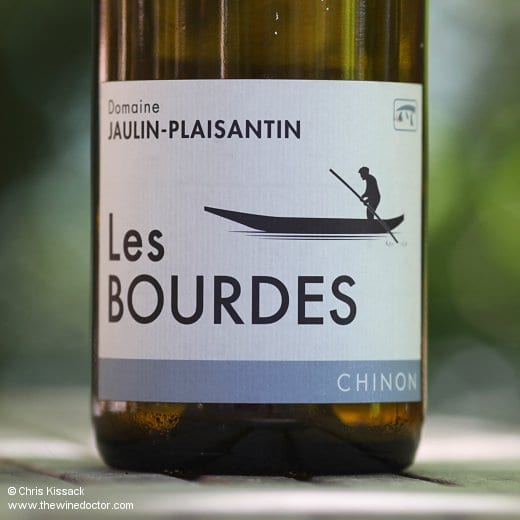
The choice of cement versus oak depended on the cuvée, and I provide below a run-down of the various cuvées Yves came up with.
Le Dolmen was named for the gigantic but sadly ruined dolmen (pictured on the previous page) that sits by the roadside in Briançon. The land around Briançon is slightly elevated, as are a handful of other nearby villages. When the Vienne floods (which as all Loire geeks know, happens annually), these mounds of land become islands, the land high enough to prevent flooding to houses and, importantly to us, vines too. Yves and Sébastien owned the tiny parcel of vines that sat right next to the dolmen, hence the name of the cuvée, although the wine was in fact sourced from a large number of parcels around the village, of which the dolmen parcel was just one. The terroir of origin for this cuvée was thus sandy, making for an easy-drinking wine. The élevage reflected this, the wine rested for just six months in cement cuve.
“The sandy terroirs, when dry, tend to stress the vines, and when wet, they tend to rot very quickly”, Yves once told me. “The trick is to pick quickly, as soon as they are ripe”. As noted in my look at the winemaking on the preceding page, this was the only cuvée to see a filtration before bottling.