
Bordeaux 2005
Watching the progression of vintages in Bordeaux is fascinating, regardless of whether the quality of an individual year is high, low or somewhere in between. This is the third year that I have been able to assess the wines of Bordeaux at two years of age, when they have just been bottled. The first time was in 2003, a heatwave year, when many wines reflected this characteristic of the vintage very transparently. Then came the rather more subtle, reserved and quietly elegant 2004, a vintage that is likely to remain ever under-rated, thanks to that which followed. The 2005 vintage is, without any doubt in my mind, one of the greatest Bordeaux vintages of recent decades.
The wines described in this series of tasting notes were presented at the annual Union des Grands Crus de Bordeaux in London, one in a series of tastings that sees the wines travel the world, taking in Europe, Asia and North America. There was considerable demand for entry to the tasting, so much so that the day was divided up into two sessions, morning and afternoon, with prospective tasters restricted to one or the other. This is one more sign – as if another were needed – of just how highly the vintage is rated by the UK trade and press.
As usual, here I present a brief review of the climatic conditions that characterised the vintage, followed by my overall impressions of the wines; my soundbites, if you will. Over the next couple of weeks, I will publish my tasting notes for the 85 wines (one less than last year!) that I have assessed, together with any comments relevant to the individual communes.
Vintage Review
Many Bordeaux vintage reviews are stories of concern, of worry, of doubt. Unsatisfactory flowering, perhaps, summer rains or in the case of 2003, prolonged summer drought. Uneven ripening, frost, vine diseases and a harvest downpour or two, causing the grapes to bloat and rot; these are all potential lead roles for the tale of a Bordeaux vintage. But during 2005, these characters have been struck from the script, and we have some new ones in their place. And these new characters have come together to create what is perhaps the most successful Bordeaux vintage for many, many decades.
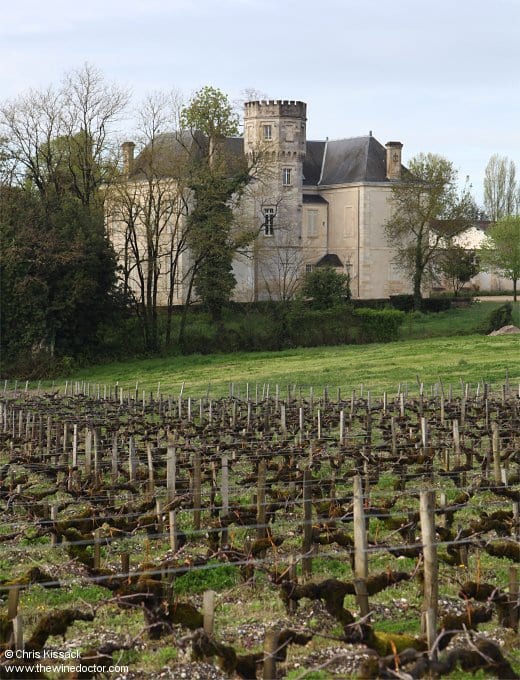
The 2005 vintage in Bordeaux was marked by low rainfall, with precipitation during the preceding winter, following the 2004 harvest, and during the 2005 growing season through to the harvest that year totalling less than 50% of what is usual, based on an average figure for the preceding three decades. Fortunately, the vine can cope well with low levels of rainfall, particularly those individual plants that are well established, with deep roots. Since the drought of 2003 low rainfall has been a standing feature in Bordeaux, and this has no doubt encouraged the vines to search deep for water, setting them up very nicely for dry years such as 2005. Nevertheless, extreme or continued hydric stress can inhibit the development of the vine during the cycle of the vintage, and some rainfall is always welcome.
During 2005 precipitation was light but it came interspersed throughout the year, each time helping the vine along, but it was never excessive, thus reducing the risk of vine diseases such as oidium, and vineyard treatments were kept to a minimum as a result. Budding proceeded in April and flowering in May, each stimulated by gentle showers. The weather remained warm but not overly hot throughout, with temperatures generally just above average, the only moments of really high temperature being in June and October. These brief periods of heat, together with light precipitation at just the right moments, were wonderful for the vines and the ripening of the fruit, and late summer showers also kick-started the development of botrytis in Sauternes, which at harvest was remarkably pure. Overall, though, the harvest remained largely free of the rainfall that can ruin a vintage, and the fruit was brought in by relaxed and happy workers. The potential of the vintage was already clear, even before the first fermentations were finished, and the mood of the régisseurs and proprietors was on the up.
Please log in to continue reading: